- Engagement Rings
- Wedding Bands
Shop by style
- Classic
- Diamond Cut
- Two Colour
- Diamond Set
- Shaped
- Vintage
- Gemstone Bands
Shop by metal
- Gemstones
- Fine Jewellery
Fine Jewellery
- About Us
- Education
24 July 2026
Old Mine Cut Diamonds: The Complete Buyer’s Guide
Collectors prize old mine cut diamonds for a quality that modern precision cannot and should not perfect away. Their softly squared outlines, high crowns, small tables and visible culets create broad flashes of light with a distinctly antique rhythm. One stone may feel balanced and quietly romantic; another may be wonderfully irregular. That individuality is the point.
It also makes an old mine cut more demanding to buy. Standardised proportions and a laboratory cut grade can narrow a modern round brilliant search. By contrast, buyers must read an old mine cut as an individual: outline first, then faceting, light, condition, history and setting protection. This guide explains how to make that judgement without asking an eighteenth- or nineteenth-century diamond to behave like a modern one.
What are old mine cut diamonds?
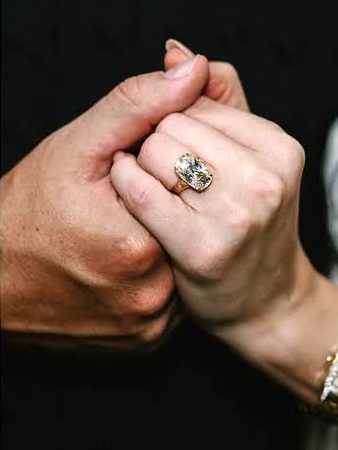
Cutters developed the old mine cut as an early brilliant style associated particularly with Georgian and Victorian jewellery. The term generally describes a cushion-like or softly squared outline with rounded corners, a high crown, relatively small table, deep pavilion and open culet. Because cutters shaped these stones before electric lighting and modern cutting machinery, their proportions vary considerably.
The broad facets produce slower, larger flashes than the fine scintillation associated with many contemporary brilliant cuts. In candlelight or warm interior light, that pattern can feel especially atmospheric. The GIA old mine cut guide gives a useful technical overview of the features that distinguish the style.
Old mine cut diamonds: antique, vintage or newly cut?
Not every diamond sold as an “old mine cut” is an antique stone. Three different things can sit beneath the label:
- A period old mine cut: a diamond cut in the historical era and preserved, reset or removed from an older jewel.
- A later recut: an antique stone whose outline or facets a cutter has altered to improve condition, symmetry or marketability.
- A modern antique-style cut: a newly cut diamond designed to reproduce the broad facets and open culet associated with old mine cuts.
None is automatically the “wrong” choice. A genuine period stone offers age and survival; a modern interpretation may offer more predictable availability and condition. What matters is transparent disclosure. Ask what evidence supports the description, whether a cutter has recut the diamond and which documents establish its provenance.
Begin with the old mine cut outline, not carat weight
View the diamond face-up before looking at its report. The outline should have character without appearing accidentally damaged or visually lopsided. Some old mine cuts lean towards a rounded square; others are more rectangular, cushion-shaped or irregular. A buyer does not need perfect symmetry, but the stone should still feel composed.
Compare the millimetre length and width as carefully as the carat weight. Deep antique stones can retain more weight beneath the girdle, so two diamonds of the same carat can present very differently on the hand. Our guide to diamond ratios and visible proportions explains why measurements often tell a more useful story than weight alone.
How should old mine cut diamonds handle light?
Do not judge it against the even brightness of a modern round brilliant. Look instead for broad flashes that travel across the diamond as it moves. Contrast is part of the pattern, but large areas should not remain persistently dark from normal viewing angles. Rotate the stone slowly in daylight, ordinary indoor light and softer evening light; antique faceting can change dramatically between them.
A visible culet—the small facet at the very bottom—often appears as a tiny shape in the centre. It is a characteristic feature, not automatically a flaw. Its size and placement should, however, contribute to the stone’s visual balance rather than distract from it.
Colour in old mine cut diamonds can be beautiful
Many surviving antique diamonds sit outside the icy colour ranges most heavily marketed today. Their high crowns and broad facets can reveal warmth, particularly from the side. In yellow or rose gold, that warmth may feel harmonious; in platinum, it may appear more distinct.
This is a question of intention, not simply grade. A beautifully balanced warmer diamond can have greater presence than a higher-colour stone with a less appealing outline. Consider the metal and setting at the same time as the stone, using our platinum versus gold guide to understand how the frame changes what the eye sees.
Clarity: separate harmless character from risk
Antique cutting often makes inclusions visible in a different way from modern brilliant faceting. Some are discreet and entirely acceptable to the naked eye; others may be reflective, centrally placed or close to a vulnerable edge. The right question is not whether the plot is perfectly clean, but whether the diamond appears clean enough in normal viewing and remains structurally suitable for setting.
Ask a jeweller to inspect the girdle under magnification for chips, bruising, cavities and previous repairs. Very thin girdle areas are common in old stones and may require a protective setting. A specialist can sometimes polish surface abrasions, but any intervention removes material and may alter the diamond’s original character.
Condition matters more than superficial perfection
Signs of age are not all equal. Minor facet-edge wear may be consistent with an antique diamond’s history. A significant chip at the girdle, open fracture or unstable inclusion is a practical concern. Before purchase, establish:
- whether the stone is loose enough to inspect fully;
- where the thinnest girdle sections sit;
- how claws will conceal or protect any chips;
- whether a recut has already changed the outline;
- and whether further polishing is advisable or would sacrifice too much originality.
A report can document clarity characteristics and measurements, but it does not replace this physical assessment. Our diamond certification guide explains what a laboratory report can confirm—and what still needs expert judgement.
Certification and provenance are different
A grading report identifies measurable gemmological facts. However, it cannot prove that a cutter shaped the diamond in a particular decade or that the stone belonged to a particular jewel. Provenance requires separate evidence such as an original mount, dated documentation, auction history or a reliable chain of ownership.
If history is important to the price, ask for the basis of the claim in writing. If the main attraction is simply the look, a well-disclosed modern antique-style stone may be equally satisfying. The purchase should reflect facts you can substantiate, not a romantic story added to an undocumented diamond.
Choosing a setting for old mine cut diamonds
Do not force an old mine cut into a generic stock mount. The jeweller needs the stone’s exact outline, depth, girdle variations and vulnerable points before deciding claw positions and gallery height. A bespoke setting can follow an irregular silhouette precisely while keeping the ring refined from above.
Platinum claws can create a crisp protective framework, while a yellow-gold shank can emphasise the diamond’s warmth. A bezel offers greater edge protection but changes how much of the outline remains visible. Scale halos, closed backs and highly detailed vintage-inspired galleries carefully so they complement rather than overwhelm the centre.
Through Kinzy’s bespoke design process, CAD establishes the engineering and a wax model lets the client judge height and volume before manufacture. This step matters particularly when no supplier can provide an identical replacement for the centre stone.
A practical viewing checklist
- Confirm whether the diamond is period, recut or newly cut in an antique style.
- Study the face-up outline before reading the grades.
- Compare millimetre spread with carat weight and depth.
- View the facet pattern in several real-world lighting conditions.
- Check the culet, girdle, chips and inclusions under magnification.
- Ask how the proposed setting will protect every vulnerable area.
- Separate laboratory certification from claims of historical provenance.
- Judge the diamond beside the intended metal and on the hand.
Frequently asked questions
Are old mine cut diamonds less sparkly?
They usually sparkle differently rather than simply less. Expect broad, slower flashes and stronger contrast instead of the more uniform scintillation of a well-cut modern round brilliant.
Why can an old mine cut look small for its carat weight?
Many are comparatively deep, so more weight sits below the girdle. Therefore, compare face-up millimetre dimensions alongside carat weight.
Is a large culet a defect?
No. An open culet is characteristic of many antique brilliant cuts. It becomes a visual preference: assess its shape, placement and prominence within the whole pattern.
Should you recut an old mine cut?
A cutter can sometimes address damage or improve an outline through recutting. However, the process removes weight and historical fabric, so weigh the likely benefit carefully against the loss.
Are old mine cuts suitable for daily wear?
Yes, when the individual diamond is sound and the setting protects thin girdle areas and corners. Regular inspections remain essential for any frequently worn antique stone.
Final thoughts
Rather than chasing modern uniformity, select the finest old mine cut diamonds by recognising coherence: an expressive outline, lively broad faceting, acceptable condition and a setting made intelligently around the stone that actually exists.
To compare antique or antique-style diamonds in person, book a private Kinzy London consultation in Hatton Garden. We can assess the diamond, explain the compromises clearly and develop a bespoke ring that protects its history without making the design feel like a reproduction.
Related reading
Articles
Other articles from Kinzy London.
Articles, Bespoke Jewellery, Engagement Rings, Gemstones
How to Add a Hidden Birthstone or Secret Diamond to an Engagement Ring
Articles, Diamond Guides, Engagement Rings, Settings
Does a Bezel Setting Make a Diamond Look Bigger or Smaller?
Articles, Craftsmanship, Engagement Rings, Settings