- Engagement Rings
- Wedding Bands
Shop by style
- Classic
- Diamond Cut
- Two Colour
- Diamond Set
- Shaped
- Vintage
- Gemstone Bands
Shop by metal
- Gemstones
- Fine Jewellery
Fine Jewellery
- About Us
- Education
21 August 2026
Can Old Jewellery Be Remade into a New Bespoke Ring?
You can often remake old jewellery by reusing sound gemstones, reworking suitable components or applying the old metal’s value towards a new bespoke piece. However, “melt it all down and make this” is not always the safest technical route. Old alloys may contain solder, contamination or unknown fineness. Stones can also carry damage hidden by worn settings. A responsible remodelling project begins with an inventory and inspection, then decides what should be physically preserved.Define What You Want to Preserve
Sentiment may live in the actual diamond, the original metal, an engraving, a motif or the person who wore the piece. Those are different design instructions. Rank them before the jeweller proposes a solution. For example, preserving one family sapphire may matter more than reusing every gram of gold. Another client may want the old wedding band incorporated visibly even if the stones move elsewhere.Create a Written Jewellery Inventory
List each item, its known history and who owns it. Photograph the front, back, hallmarks and existing damage. Bring valuations or certificates, but treat them as evidence to check rather than absolute proof. At intake, the jeweller should record which stones and pieces enter the workshop. This protects the history and makes the later proposal precise.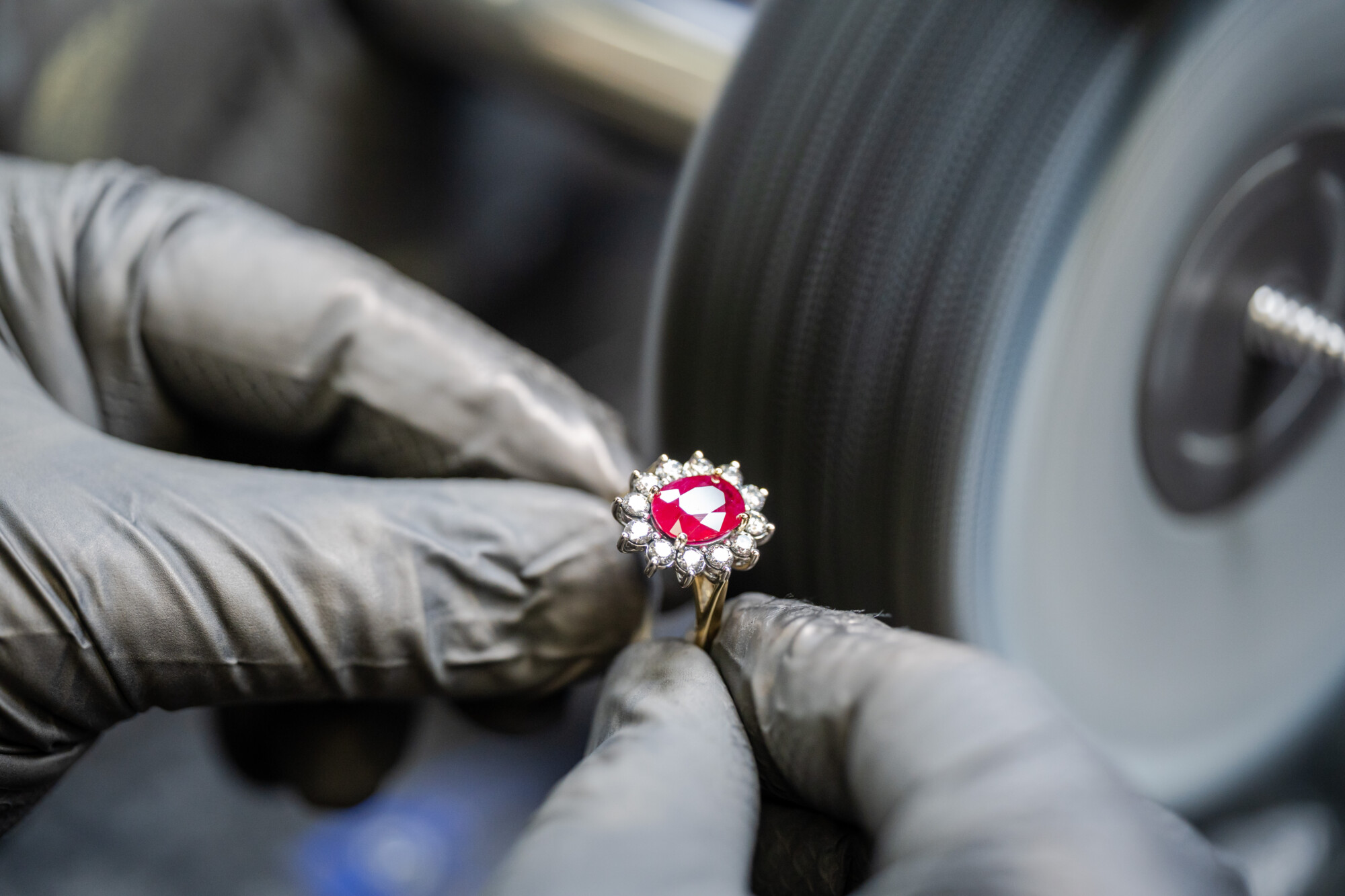
Assess Every Stone Before Designing Around It
Diamonds, sapphires and rubies can be durable, yet previous wear still matters. Emeralds, opals and other gems may require gentler handling. Chips, abrasions, treatment and internal fractures can limit removal, cleaning or resetting. GIA’s research on gemstone durability in design and manufacture explains why different materials need different protection. Do not approve a design that assumes every stone will survive removal until the jeweller has inspected the setting closely.Photographs can help us understand the enquiry, but suitability, condition and value can only be confirmed after physical inspection.
Why Old Gold Is Not Always Recast Directly
Gold jewellery contains an alloy, not pure gold alone. Age, solder joints, repairs and mixed fineness can introduce material that behaves unpredictably in a fresh casting. Porosity or brittleness may then compromise the new ring. For that reason, a workshop may recommend refining or crediting the old metal and using fresh alloy of known composition. This does not erase the sentiment if the meaningful stones or design language remain. It protects the new structure.Can Platinum or Mixed Metals Be Reused?
Platinum requires its own assessment and high-temperature processes. Mixed-metal pieces add another layer because each component may have different fineness and working behaviour. Plated jewellery should never be assumed to contain the metal suggested by its surface colour. UK guidance for mixed precious-metal articles also shows why description and hallmarking depend on the actual materials.Three Honest Ways to Carry the Original Metal Forward
Direct reuse may be possible when the alloy is known and technically suitable. Component reuse preserves a sound section, such as a plain band or engraved plate. Value reuse credits the recoverable metal while the new ring uses fresh alloy. Ask which route the workshop recommends and why. If a promise to use the same atoms matters, it must appear in the written brief and remain physically traceable.Resetting Stones Often Gives the Greatest Transformation
Old stones can feel entirely different when spacing, metal colour and proportion change. A cluster may become a trilogy. Several small diamonds may create shoulders or a wedding band. One coloured gemstone may become the centre of a modern bezel ring. However, a new design should not force every available stone into one piece. Editing often produces a more refined result. Remaining stones can be recorded for a future pendant or earrings.Use the Existing Piece as Design Evidence
Study which details deserve translation. A hand-engraved edge, floral gallery or unusual colour combination can inspire the new ring without becoming a replica. Kinzy’s bespoke process can turn those references into a fresh brief. The aim is continuity with the story, not visual obligation to every period detail.CAD Must Use the Recovered Stones’ Measurements
After safe removal, each stone should be measured. Older cuts and coloured gems can vary from calibrated sizes. The designer then positions claws, bezels and halos around the real outlines. The Kinzy CAD and wax stages make the new scale visible before the workshop commits to final metalwork.Expect Discovery After Dismantling
A stone can look different once dirt and metal no longer mask its edge. Hidden chips may appear, and the usable metal weight may be lower than the total weight of the old piece. Good quotations explain how such discoveries will be handled. Agree a decision threshold. The jeweller might pause, photograph the issue and ask whether to protect, repolish, replace or redesign around it.Hallmarking the New Ring
A remade ring is a new precious-metal article for practical purposes. If it exceeds the UK exemption threshold, it must receive the appropriate hallmark before sale or supply under the relevant circumstances. The hallmark independently confirms fineness; it does not certify the age or identity of the reused gemstones. Our guide to platinum versus gold can help choose the new metal.Understand Cost Before Assuming Recycling Saves Money
Old metal has recoverable value, but remodelling includes assessment, dismantling, cleaning, design, CAD, stone setting and finishing. Careful labour may exceed the scrap credit. Choose remodelling because it preserves meaning and creates the right piece. Treat any material credit as one part of the quotation, not the sole reason for the project.When the Original Piece Should Stay Intact
Preserve the jewellery when it has important antique integrity, rare maker attribution or a family ownership dispute. An intact piece may tell its story better than its parts. You can commission a new ring inspired by the original instead. That route protects the heirloom while allowing daily wear and modern engineering.Clean Carefully Before Judging Colour and Condition
Years of residue can make stones look darker or metal details disappear. However, strong heat, ultrasonic cleaning or chemicals may be unsuitable for a fragile setting or treated gemstone. Let the jeweller identify the materials before choosing a cleaning method. View the piece again after safe cleaning. The recovered colour, wear and construction may change which elements deserve preservation.Confirm Design Ownership and Approval
If several relatives contribute jewellery, decide who approves the final CAD and receives unused stones or metal credit. Sentimental projects become difficult when the workshop receives conflicting instructions midway through production. A written brief should identify the decision-maker, the elements that must survive and the point at which dismantling becomes irreversible.A Remodelling Consultation Checklist
- Photographs and ownership details for every item.
- Existing valuations, reports and receipts.
- The priority: stones, metal, motif, engraving or history.
- Permission to remove stones and dismantle settings.
- Condition findings and risks before work.
- The treatment of unused stones and scrap metal.
- CAD, wax and final approval stages.
- New hallmark, valuation and insurance documents.
Begin with an Expert Assessment
Every remodelling commission starts with the piece itself. In our Hatton Garden showroom, your personal jeweller can record the stones and metal, discuss what carries the greatest sentimental value and explain which elements may be safely preserved. From there, Kinzy can shape a clear bespoke brief around what is technically sound. Explore our bespoke process or reserve a private consultation to begin.A New Direction for an Heirloom
This Kinzy vintage-style ring shows how familiar details can be reinterpreted in a new piece, while the atelier reel offers a closer look at Kinzy craftsmanship.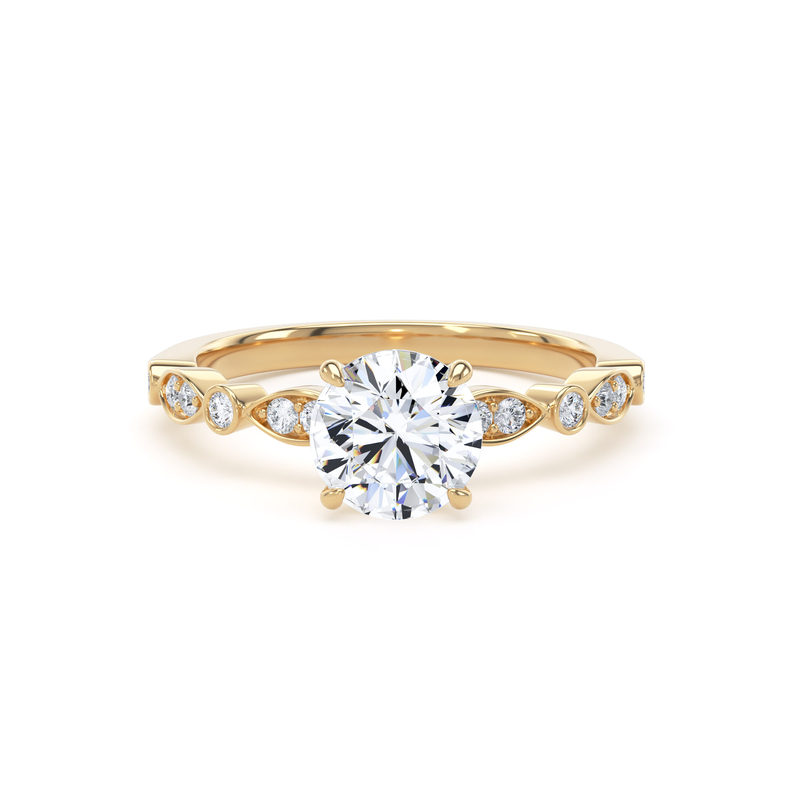
Inside Kinzy’s Hatton Garden Atelier
See how our Hatton Garden team approaches craftsmanship, proportion and finishing when creating or remodelling a Kinzy piece.Frequently Asked Questions
Can all old gold be melted into a new ring?
No. Unknown alloys, solder and contamination can make direct casting unreliable. Fresh alloy may offer a safer result.Will I get every unused stone back?
That should be agreed in writing. The intake and final handover should account for all stones and metal.Can chipped gemstones be reused?
Sometimes. A specialist must assess the type, position and seriousness of the damage before choosing a setting.Is remodelling cheaper than buying new?
Not automatically. Material value can offset cost, but skilled dismantling, design and resetting still require substantial work.Can one heirloom become several pieces?
Yes, if the stones and material allow it. Dividing the elements can also create fair family keepsakes.Final Thoughts: How to Remake Old Jewellery Well
To remake old jewellery beautifully, preserve the right evidence of the past and use fresh material where structural integrity demands it. Sentiment deserves technical honesty. Book a Kinzy London remodelling consultation to have inherited stones and settings assessed before a new bespoke brief is developed.Related Reading
If the piece includes an inherited stone, read Can You Use a Family Diamond in a New Engagement Ring?
Articles
Other articles from Kinzy London.
Articles, Bespoke Jewellery, Engagement Rings, Gemstones
How to Add a Hidden Birthstone or Secret Diamond to an Engagement Ring
Articles, Diamond Guides, Engagement Rings, Settings
Does a Bezel Setting Make a Diamond Look Bigger or Smaller?
Articles, Craftsmanship, Engagement Rings, Settings