- Engagement Rings
- Wedding Bands
Shop by style
- Classic
- Diamond Cut
- Two Colour
- Diamond Set
- Shaped
- Vintage
- Gemstone Bands
Shop by metal
- Gemstones
- Fine Jewellery
Fine Jewellery
- About Us
- Education
28 August 2026
Jewellery Warranty vs Servicing vs Insurance: What Does Each Cover?
Jewellery warranty vs servicing vs insurance is a comparison of three different protections. A warranty responds to covered manufacturing faults. Servicing inspects, cleans and maintains the jewellery. Insurance may respond to events such as accidental damage, loss or theft, but only according to the chosen policy.
No single layer replaces the other two. A lifetime manufacturing warranty is not automatic cover for a lost diamond, and an insurance policy does not remove the need to have worn claws checked.
The Simple Difference
- Warranty: a promise from the jeweller or manufacturer under stated terms.
- Servicing: planned professional care that checks condition and addresses routine maintenance.
- Insurance: a regulated financial product whose cover, exclusions, limits and excess appear in the policy.
Read every document rather than relying on the label. Two “lifetime warranties” can contain different conditions, and home-insurance policies can treat high-value jewellery very differently.
What a Jewellery Manufacturing Warranty Usually Addresses
A manufacturing warranty normally concerns faults caused by materials or workmanship, subject to its written terms. Examples might include a confirmed structural or assembly defect that existed because the piece was not made as intended.
It does not follow that every break is a manufacturing fault. A ring can bend after impact, claws can wear through friction and a stone can chip. The jeweller must inspect the piece and determine the likely cause.
What a Warranty Commonly Excludes
Terms vary, but warranties often exclude accidental impact, loss, theft, normal wear, neglect, misuse and work completed by an unauthorised third party. They may also require periodic inspection or servicing.
Always check the document supplied with your own order. Do not assume a social-media phrase or sales summary overrides the written terms.
Warranty Rights vs Your Statutory Rights
A commercial warranty does not remove UK consumer rights. Citizens Advice explains that a buyer may still have legal rights when goods are faulty, even if a warranty has ended. The route and available remedy depend on the facts and timing.
Use the Citizens Advice warranty guidance if you need independent information. This article provides general jewellery-care guidance, not legal advice.
What Annual Jewellery Servicing Does
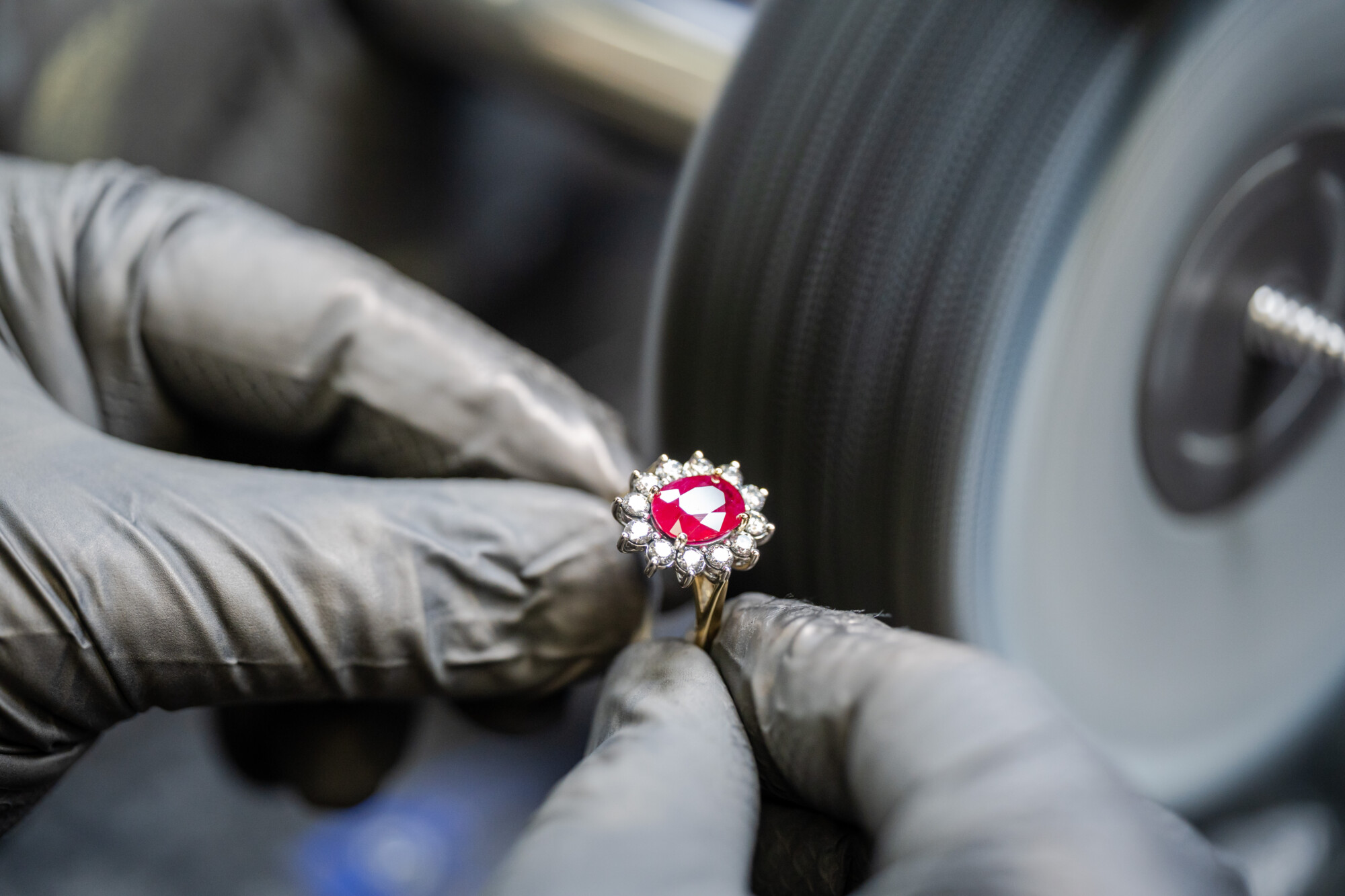
Servicing looks for developing wear before it becomes a larger problem. The craftsperson can inspect claws, stone movement, the shank, joins and settings under magnification. Professional cleaning then reveals areas that dirt may have hidden.
A service can also include careful polishing or plating where appropriate. The goal should be proportionate care. Excessive refinishing can remove metal and soften details, so a skilled workshop respects the original dimensions.
What Kinzy’s Annual Atelier Service Includes
Kinzy’s published aftercare includes annual professional cleaning, polishing, claw tightening and a structural assessment. The current purchase agreement also refers to light polish and plating where required. Annual service is required to maintain the lifetime manufacturing warranty.
Check the terms supplied with your purchase because they govern your piece. The Kinzy Lifetime Complimentary Atelier Care page explains the continuing workshop relationship.
Servicing Is Not the Same as a Free Repair
An inspection may discover accidental damage or wear that needs chargeable work. That finding does not make the service pointless. It gives the owner a chance to repair the ring before the structure worsens or a stone is lost.
The workshop should explain the issue, proposed repair, cost and effect before starting work outside the complimentary service.
What Jewellery Insurance Can Cover
Insurance may protect against theft, loss, accidental damage and other insured events, depending on the policy. Cover can sit within home contents insurance or a specialist jewellery policy.
MoneyHelper notes that contents policies often have an individual-item limit. Jewellery above that amount may need to be listed separately. Cover away from home, abroad or for accidental loss may also require an extension.
Read the current MoneyHelper contents-insurance guide, then ask the insurer direct questions about your ring.
Insurance Terms to Check Before You Rely on the Policy
- The single-item limit and whether the ring is specifically listed.
- The insured value and whether the basis is repair or replacement.
- Accidental damage, mysterious disappearance, loss and theft cover.
- Cover outside the home and during international travel.
- The excess payable for each claim.
- Security, storage and inspection conditions.
- Whether you may choose the original jeweller for repair or replacement.
- How often the insurer requires a valuation update.
Why a Valuation and Good Records Matter
Keep the sales invoice, current valuation, grading report, hallmark details and clear photographs. Record the diamond’s laboratory number and any inscription. These documents help identify the exact piece and support a claim.
Market values can change, so an old valuation may leave the ring underinsured. Ask the insurer how recent the valuation must be and whether it expects a specific professional format.
Which Protection Applies? Practical Examples
A claw has slowly worn thin
Annual servicing should identify the wear. Repair may be chargeable because wear is not necessarily a manufacturing fault. Insurance may not cover routine wear and tear.
The ring bends after a heavy impact
The manufacturing warranty may exclude accidental damage. An insurance policy with suitable accidental-damage cover may respond, subject to its terms and excess.
A confirmed manufacturing joint fails
The jeweller should inspect the ring against the warranty. Statutory rights may also be relevant. Insurance is not the first route for a covered manufacturing fault.
The ring is stolen while travelling
The warranty and service do not cover theft. Insurance might, if the policy extends outside the home and abroad and all security conditions were met.
A diamond becomes loose during an inspection
The workshop can secure it before the ring returns to wear. This preventive result illustrates why servicing remains necessary even when nothing looks wrong to the owner.
Third-Party Work Can Affect Warranty and Insurance
An outside repair can alter claws, metal, setting tension or the evidence needed to determine a fault. The original jeweller may then limit warranty responsibility for the changed area. An insurer may also require an approved repair route.
Before another workshop resizes or repairs the ring, check both the jewellery warranty and insurance policy. Keep every repair invoice and condition report.
A Simple Protection Routine
- Read the warranty when you collect the jewellery.
- Arrange suitable insurance before regular wear.
- List the ring separately if the policy requires it.
- Store the invoice, valuation, report and photographs securely.
- Follow the jeweller’s annual service schedule.
- Stop wearing the ring if a stone moves or a claw catches.
- Ask before authorising third-party repair or resizing.
- Update the valuation and insurer when the piece changes.
The Kinzy Lifetime-Care Approach
Kinzy treats collection as the beginning of ownership rather than the end of the commission. The annual atelier service brings the piece back to the specialists who understand its structure, while the manufacturing warranty addresses covered craftsmanship issues.
Clients still need personal insurance for risks that workshop care cannot control. Book an annual Kinzy jewellery service or ask the team which records to bring.
Plan for Care, Cover and Servicing
Kinzy’s Lifetime Complimentary Atelier Care supports the ongoing condition of your jewellery through a yearly check, clean and polish. Your written warranty explains the manufacturing cover attached to the piece, while suitable insurance remains a separate safeguard for risks such as accidental damage, loss or theft.
Explore Kinzy services and the engagement-ring care guide, or contact the showroom for the terms that apply to your jewellery.
Care That Continues
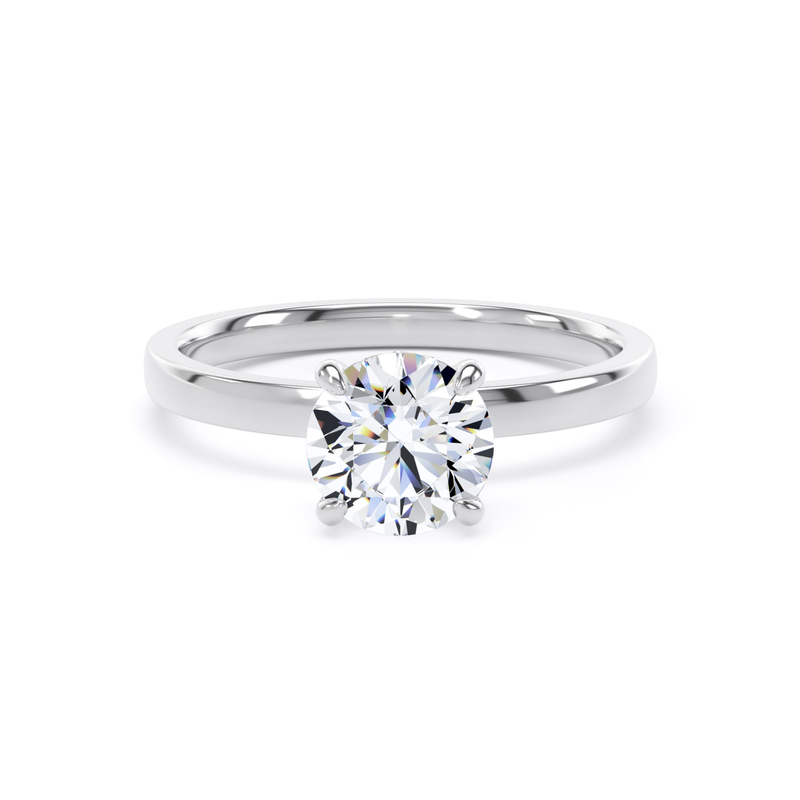
A finished Kinzy solitaire keeps the care discussion connected to the jewellery that warranty, servicing and insurance protect.
Inside Kinzy’s Hatton Garden Atelier
See the making and hand finishing behind a piece designed to be cared for throughout its lifetime.
Frequently Asked Questions
Does a lifetime jewellery warranty cover a lost diamond?
Not automatically. Loss may result from wear or impact and usually needs individual inspection. Suitable insurance may be the relevant protection.
Does annual servicing replace jewellery insurance?
No. Servicing maintains and inspects the piece; it cannot insure against theft, loss or every accidental event.
Will home contents insurance automatically cover my engagement ring?
Do not assume so. Check the single-item limit, away-from-home cover, accidental damage and whether the ring must be specified.
Can I use another jeweller for a repair?
You can choose, but third-party work may affect the original warranty or an insurance claim. Check both documents first.
How often should Kinzy jewellery be serviced?
Kinzy requires an annual service to maintain its lifetime manufacturing warranty. Arrange an earlier inspection if a stone moves, a claw catches or the ring suffers impact.
Final Thoughts on Jewellery Warranty, Servicing and Insurance
Jewellery warranty vs servicing vs insurance becomes clear when you treat them as three distinct layers: accountability for covered manufacture, preventive professional care and financial protection against insured events.
Read the Kinzy engagement-ring care guide and arrange a private aftercare appointment when your annual service becomes due.
Related Reading
Articles
Other articles from Kinzy London.
Articles, Bespoke Jewellery, Engagement Rings, Gemstones
How to Add a Hidden Birthstone or Secret Diamond to an Engagement Ring
Articles, Diamond Guides, Engagement Rings, Settings
Does a Bezel Setting Make a Diamond Look Bigger or Smaller?
Articles, Craftsmanship, Engagement Rings, Settings