- Engagement Rings
- Wedding Bands
Shop by style
- Classic
- Diamond Cut
- Two Colour
- Diamond Set
- Shaped
- Vintage
- Gemstone Bands
Shop by metal
- Gemstones
- Fine Jewellery
Fine Jewellery
- About Us
- Education
9 August 2026
Diamond Fluorescence Explained: Is It Good or Bad?
Diamond fluorescence is the visible light some diamonds emit when exposed to ultraviolet radiation. Blue is the most common colour. GIA reports describe the observed strength as None, Faint, Medium, Strong or Very Strong. Fluorescence is not automatically good or bad. In many diamonds it has no noticeable negative effect in ordinary viewing conditions. In a smaller group, strong fluorescence may accompany a hazy or oily appearance. The individual diamond must be judged, not rejected from one line on a report.Diamond Fluorescence in One Minute
- It is a reaction to ultraviolet energy, not the diamond’s everyday sparkle.
- The grade describes intensity under controlled conditions.
- Medium or strong blue fluorescence can sometimes make a warmer diamond appear whiter in daylight.
- Very strong fluorescence does not prove haziness; transparency must be assessed separately.
- Price differences can create value, but only when the diamond remains beautiful.
What Causes Diamond Fluorescence?
Trace elements and structural features within a diamond can absorb ultraviolet energy and release visible light. The response stops when the ultraviolet source is removed. This is different from phosphorescence, which may continue briefly afterwards. Sunlight contains ultraviolet radiation, so fluorescence can influence appearance outdoors. Many indoor lights contain much less UV, which is why the effect may be difficult to notice in ordinary rooms. GIA’s research on diamond fluorescence explains that, for the overwhelming majority of diamonds studied, fluorescence strength did not have a widely perceptible effect on appearance.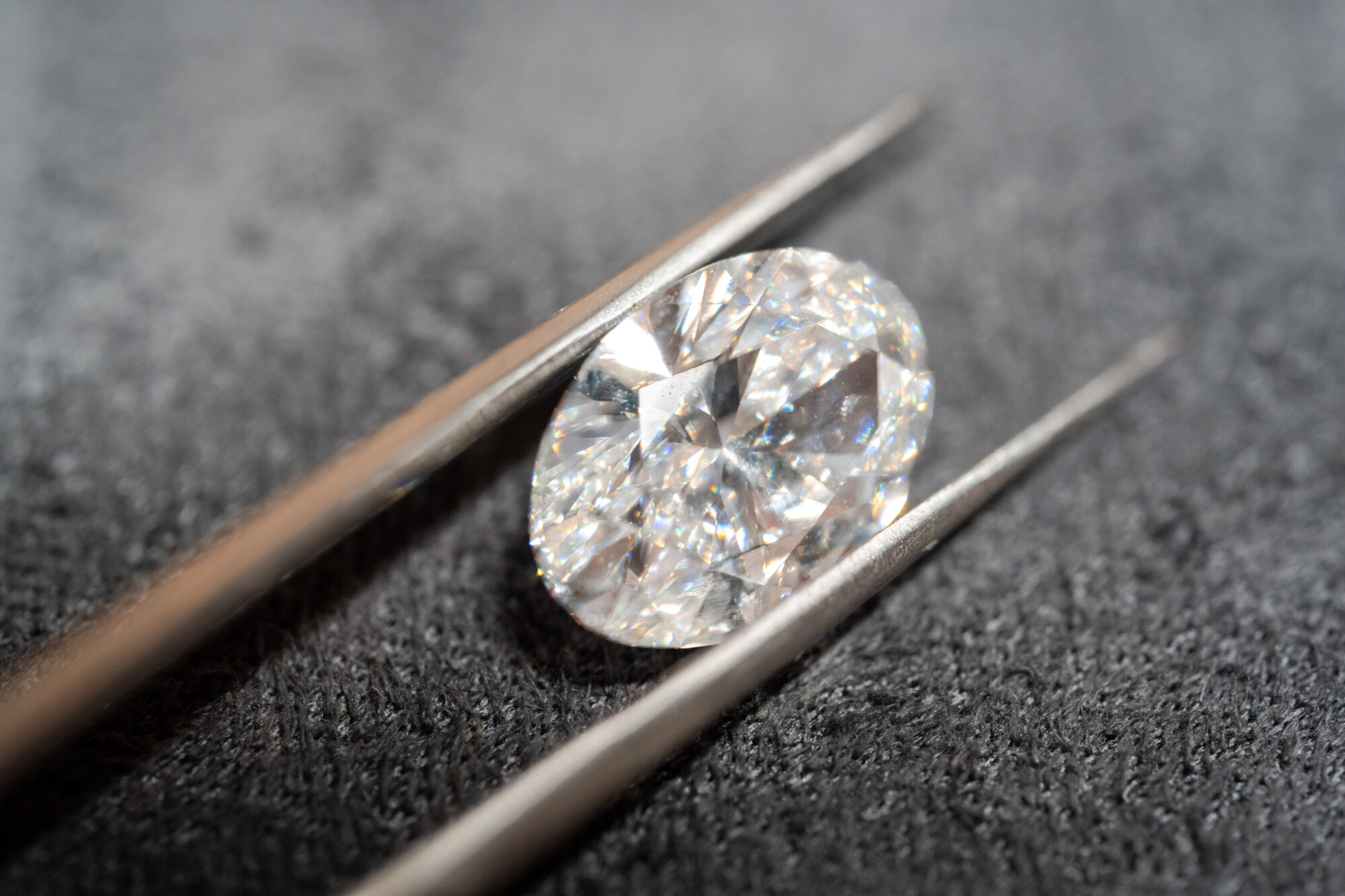
What the GIA Fluorescence Grade Means
None means no observable fluorescence under the laboratory conditions. Faint indicates a weak response. Medium, Strong and Very Strong describe progressively greater intensity. The grade does not measure beauty. It also does not state that a diamond will look cloudy. Treat it as one characteristic to investigate alongside colour, clarity, cut, proportions and transparency. If you are comparing certificates, use the natural versus lab-grown guide and confirm that origin and treatment disclosures are understood separately.Can Fluorescence Make a Diamond Look Whiter?
Blue sits opposite yellow on the colour spectrum. Therefore, medium or strong blue fluorescence can sometimes reduce the visible warmth of a lower-colour diamond in UV-rich light. This may be attractive, but the effect changes with lighting. Do not buy a diamond solely because fluorescence is expected to “correct” its colour. View it in daylight, neutral indoor light and away from intense jewellery-store spotlights. Compare it with a non-fluorescent stone of similar shape and grade when possible. Colour also interacts with metal. Yellow gold may make a slightly warm diamond feel harmonious, while white metal creates a cooler frame. Read platinum versus gold engagement rings before over-investing in a paper colour grade.When Can Fluorescence Be a Concern?
The concern is not the blue glow itself. It is a rare reduction in transparency that can make a diamond appear milky, oily or less crisp. Strong or very strong fluorescence deserves careful assessment, particularly when the stone already contains clarity features that affect transparency. Check the diamond face-up and from several angles. Look for reduced contrast, a veiled surface or a lack of life that remains after cleaning. Compare like with like because poor cut, dirt and strong showroom reflections can also make a stone look dull.How Fluorescence Interacts with Colour Grade
In near-colourless diamonds, blue fluorescence may counter some visible yellow warmth under UV-rich light. In high-colour diamonds, the market can penalise strong fluorescence even when no negative effect is visible. That price convention is not the same as an optical defect. Fancy-colour diamonds require a different analysis because their body colour is desirable. Fluorescence can alter the way colour is perceived under certain lighting, so the stone should be assessed with its laboratory description and intended setting. Kinzy’s fancy yellow diamond guide explains why colour intensity, distribution and origin must be considered together.Online Videos Cannot Recreate Every Lighting Condition
Diamond videos are useful for comparing outline, contrast and movement. However, camera exposure, colour balance and the ultraviolet content of the filming lights can conceal or exaggerate fluorescence. A bright blue response under a UV lamp also does not show how the diamond will look in an ordinary room. Ask for unedited views in neutral light and daylight where possible. Then compare the report number and dimensions with the stone being shown. This is especially important for natural diamonds whose rarity and pricing depend on several characteristics; read why natural diamonds are rare before reducing the decision to a single fluorescence label.Antique Cuts and Fluorescence
Old mine, old European and transitional diamonds can display fluorescence too. Their larger facets, warmer colours and individual cutting styles create a different visual context from a modern round brilliant. The glow may feel sympathetic to the stone, or it may reveal transparency concerns that need inspection. Compare antique stones as individuals rather than demanding modern uniformity. The antique diamond cuts guide explains the historical features that should remain separate from fluorescence.Fluorescence Is Not the Same as Sparkle
Brilliance and fire come from the way a diamond handles visible light through its cut and proportions. Fluorescence is a separate reaction to ultraviolet energy. A diamond with no fluorescence can perform poorly, while a strongly fluorescent diamond can be lively and transparent. For elongated shapes, bow tie, outline and face-up spread may have a greater effect on beauty. Read about the bow-tie effect and diamond ratios before allowing one report field to dominate the decision.Does Fluorescence Affect Diamond Price?
Market preferences can reduce prices for some highly fluorescent diamonds, especially in higher colour grades. That discount may create value when the stone remains transparent and attractive. It may also reflect a legitimate visual concern in an individual diamond. Compare the complete stone and price, not percentages in isolation. A lower price is only valuable when the diamond satisfies the brief and has no appearance issue that matters to the wearer. Our guide to engagement-ring budgets explains how to prioritise visible qualities.How Kinzy Evaluates a Fluorescent Diamond
At Kinzy, diamond selection involves comparing the actual stone and its grading report before manufacture. Fluorescence should be assessed stone by stone under appropriate lighting; the label alone does not determine beauty or value. A responsible assessment includes:- Confirming the laboratory report and fluorescence strength.
- Inspecting transparency in neutral indoor light.
- Viewing the diamond in natural daylight.
- Comparing it with relevant alternatives, not an unrelated premium stone.
- Checking cut, colour and clarity independently.
- Considering how the chosen metal and setting will frame it.
Guided Selection, Technical Assessment
Suada’s account in Kinzy’s client testimonials on Kinzy’s website describes help with choosing the diamond and a smooth journey through making the rings. That supports a guided selection process. It does not prove the fluorescence characteristics of a particular stone, so technical conclusions still come from the report and direct examination. This distinction is central to trustworthy content: reviews evidence the service experience; GIA evidence and physical inspection support fluorescence advice.Questions to Ask Before Buying
- What fluorescence strength and colour appear on the report?
- Does the diamond remain crisp in daylight and neutral indoor light?
- Can I compare it with a similar non-fluorescent diamond?
- Is any haze caused by fluorescence, clarity features, cut or surface residue?
- Has the price been adjusted, and does the appearance justify the value?
- Will the proposed metal make the colour relationship more or less visible?
Featured Kinzy Pieces and Services
A finished Kinzy solitaire shows why fluorescence must be judged alongside the diamond, setting and viewing conditions.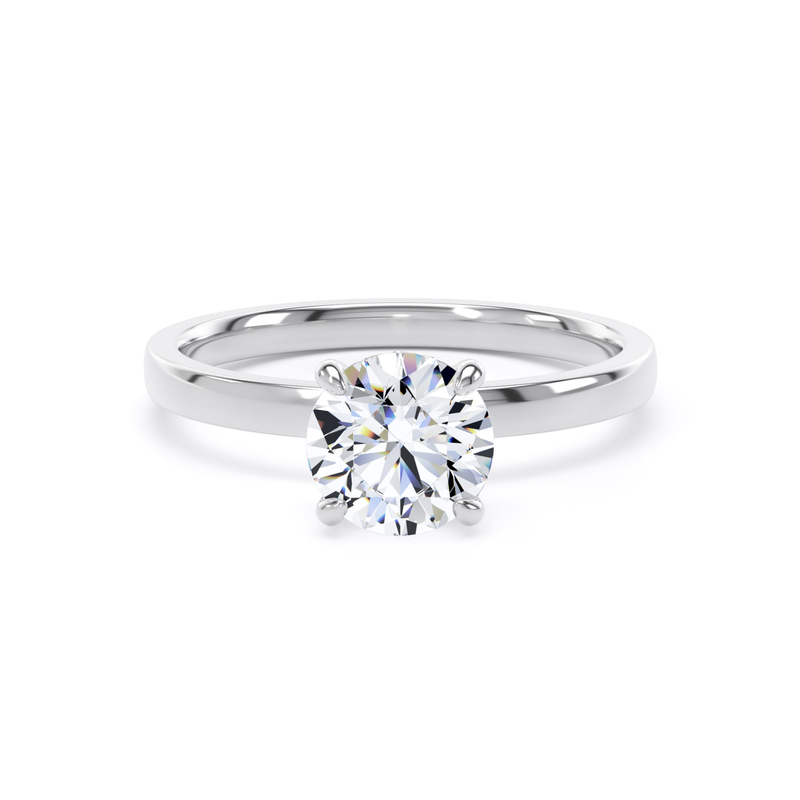
Related Reading and Services
- Kinzy diamond guidance.
- Round engagement rings.
- Engagement rings.
- Bespoke jewellery service.
- Kinzy design process.
- Book a private consultation.
- High-Set Traditional Round Engagement Ring in Platinum.
Platinum Solitaire Reference
This Kinzy platinum solitaire provides a useful visual reference for comparing a diamond’s appearance in a finished setting.Frequently Asked Questions
Can you see diamond fluorescence all the time?
No. It requires ultraviolet energy. The effect may appear in daylight or under UV sources and be absent in other indoor lighting.Is strong blue fluorescence bad?
Not automatically. Inspect the individual diamond for transparency and compare its appearance in several lighting environments.Does fluorescence mean a diamond is fake?
No. Natural and laboratory-grown diamonds can fluoresce. Origin must be confirmed through proper disclosure and laboratory reporting.Can fluorescence improve a diamond’s colour?
Blue fluorescence may make some warmer diamonds appear whiter in UV-rich light. It does not change the laboratory colour grade.Should I avoid all fluorescent diamonds?
No. Automatic rejection can exclude attractive value. Buy after visual assessment and a clear explanation of the report.Final Thoughts on Diamond Fluorescence
Diamond fluorescence is one report characteristic, not a verdict. Most fluorescent diamonds do not show an objectionable effect, while a minority require closer transparency checks. Use the laboratory report to identify the feature, then let real viewing decide whether the diamond is beautiful. Kinzy’s bespoke engagement-ring service can place that stone assessment within the complete design.Related Reading
Articles
Other articles from Kinzy London.
Articles, Bespoke Jewellery, Engagement Rings, Gemstones
How to Add a Hidden Birthstone or Secret Diamond to an Engagement Ring
Articles, Diamond Guides, Engagement Rings, Settings
Does a Bezel Setting Make a Diamond Look Bigger or Smaller?
Articles, Craftsmanship, Engagement Rings, Settings