- Engagement Rings
- Wedding Bands
Shop by style
- Classic
- Diamond Cut
- Two Colour
- Diamond Set
- Shaped
- Vintage
- Gemstone Bands
Shop by metal
- Gemstones
- Fine Jewellery
Fine Jewellery
- About Us
- Education
24 August 2026
CAD Render vs Finished Ring: Why Jewellery Looks Different in Real Life
A CAD render vs finished ring comparison should show the same approved design, yet the two will never look identical. CAD uses digital materials, ideal surfaces and simulated stones. The finished ring contains real metal, real diamonds and hand-finished details that respond to light and movement.
The purpose of CAD is to communicate geometry. The purpose of the atelier is to turn that geometry into a durable, refined object. Understanding the difference prevents both false concern and unrealistic expectation.
CAD Shows Form, Not a Future Photograph
A render can display top, side and three-quarter views with consistent proportions. It helps confirm setting height, band width, stone placement and gallery design. However, it cannot promise exactly how your screen will reproduce platinum or how a diamond will flash in daylight.
GIA’s Jewellery Design & Technology programme frames CAD around scale, proportion, engineering and manufacturing constraints. That is the standard by which approval should begin.
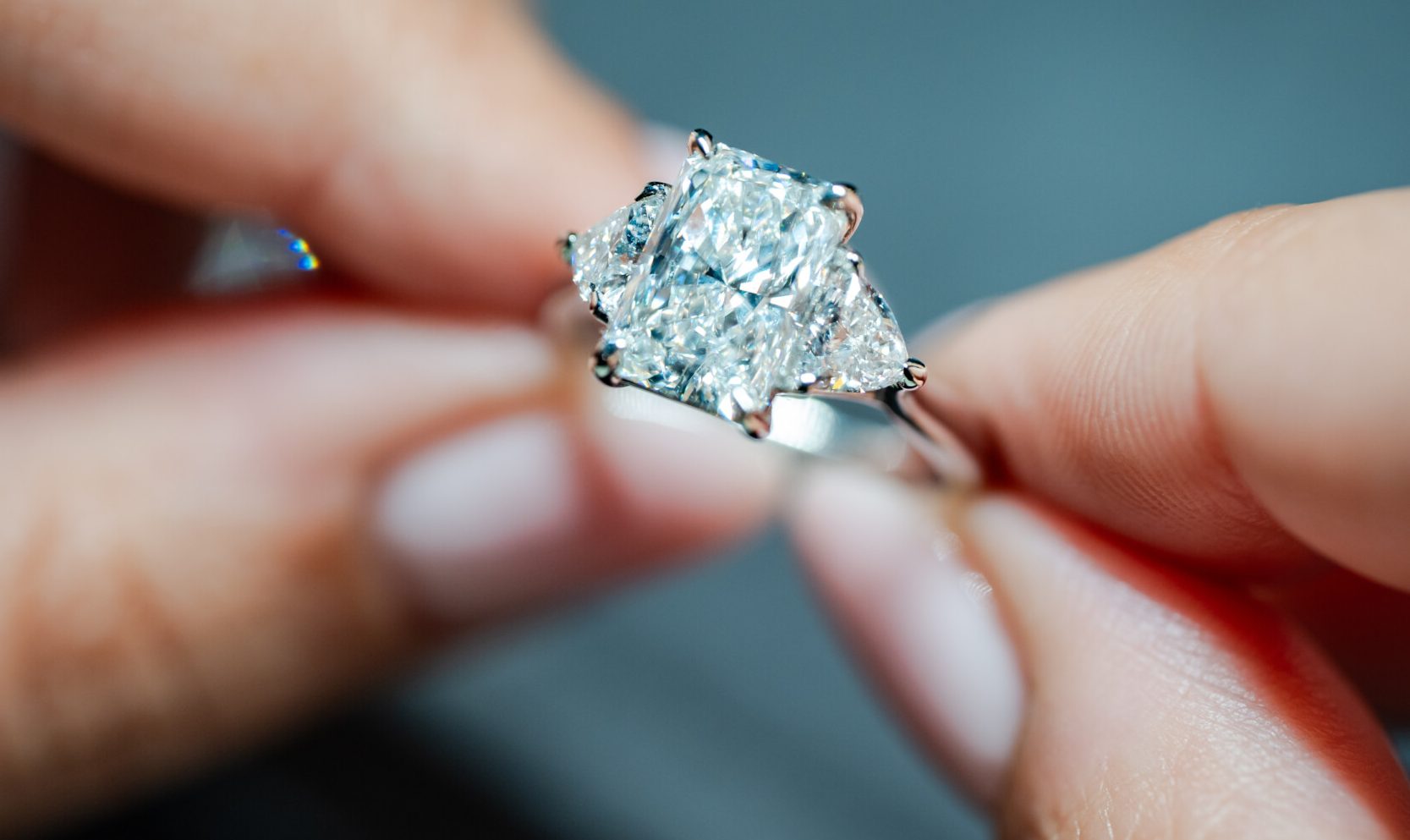
Screen Scale Distorts First Impressions
A ring enlarged to thirty centimetres across can make every claw look heavy. Small gaps also appear significant. When the same geometry returns to finger scale, those elements often feel far more delicate.
Ask for millimetre dimensions and a life-size view. Then use a wax model to confirm physical presence. Kinzy’s CAD and wax process connects the digital image to a tangible approval.
Digital Metal Is Too Perfect
Rendered metal may behave like a flawless mirror with no surrounding room reflected naturally. Real platinum and gold carry softer highlights, shadows and microscopic texture, even after professional polish.
Finish changes the effect further. High polish, satin and engraved surfaces handle light differently. The real ring often looks richer because the metal has depth instead of a flat computer colour.
Diamond Rendering Cannot Reproduce Real Light
A digital diamond may appear uniformly white, excessively dark or full of artificial rainbow colour. Real performance changes as the stone moves through daylight, warm interiors and shadow.
The render also cannot show an oval bow tie or an emerald cut’s exact hall-of-mirrors pattern faithfully. Those qualities belong to the chosen stone. Review them before CAD through a physical or high-quality visual comparison.
The Kinzy certification guide explains why the grading report and visual assessment have different roles.
Claws Change During Setting
CAD often includes long claw posts. The setter cuts seats for the real stone, brings the metal over its edge and refines the tips. Therefore, the finished claws can look shorter and more integrated.
This difference should be explained, not assumed. Ask what the finished claw style will be and how pointed corners will receive protection.
Casting and Mounting Introduce Skilled Judgement
The printed model becomes metal through the chosen manufacturing route. A mounter then cleans surfaces, refines joins and prepares the structure. Tiny production allowances support this work.
The approved silhouette should remain, but the craftsperson may soften an edge or refine a transition within the specification. Good bench work removes the mechanical feeling without changing the design’s identity.
Polishing Alters Edges and Reflections
Polishing smooths the metal and creates the final surface. Excessive polishing can weaken detail, while insufficient polishing leaves the ring unfinished. The craft lies in achieving lustre without erasing proportion.
Sharp digital edges usually become subtly softened in real metal. That can improve comfort and make the ring feel more natural on the hand.
Small Stones Gain Individual Life
CAD often represents melee as repeated white forms. In the finished ring, each diamond has facets, reflections and tiny variation. The setter’s alignment determines whether the group reads as one continuous line.
A halo may appear wider or finer depending on claw visibility and stone brightness. Compare the stated sizes rather than expecting a pixel-for-pixel match.
Metal Colour Changes the Diamond’s Context
Yellow or rose gold can introduce warmth around a colourless or near-colourless centre. White claws may reduce that effect from above. Platinum creates a cooler frame but can still reflect skin, clothing and the room.
Screen settings make colour even less reliable. Use physical metal samples and our platinum versus gold guide for the material decision.
Weight Cannot Be Rendered
A substantial ring may feel reassuring or heavier than expected. CAD shows dimensions but not the physical sensation of dense platinum or a broad gold shank.
The wax helps with volume, although it remains much lighter than precious metal. Handle finished samples with similar width if weight strongly affects your preference.
Ring Size Changes the Visible Proportion
A CAD may be shown without the wearer’s hand. The same centre and band create different coverage across finger sizes. A very fine shank can appear even finer on a larger ring circumference.
Ask the designer to confirm the model uses the final ring size. Changes made later can affect shoulder spacing and the distribution of diamond-set sections.
What Should Match Exactly?
The finished ring should follow the approved centre orientation, stone layout, setting height, band dimensions and major design features within appropriate manufacturing tolerances. Engraving, metal and stone specifications should also match the order.
If a meaningful feature disappears or a proportion changes materially, that is not simply “real life looking different”. Compare the ring with the written brief and approved views.
What Differences Are Normal?
- More natural and varied reflections in the metal.
- Real diamond scintillation instead of simulated brightness.
- Claws refined after they secure the stones.
- Subtle hand-softening of edges and transitions.
- Visible hallmark and engraving not emphasised in the render.
- A stronger sense of scale, weight and depth on the hand.
How Kinzy Bridges CAD and the Finished Ring
Kinzy uses CAD to establish the design, wax to test real scale and in-house atelier work to protect the approved intention. Final quality control then checks the result before presentation.
This sequence belongs to the wider Kinzy experience, where aftercare continues beyond collection.
Use Real Rings as Calibration
When reviewing a render, compare its stated band width and setting height with a physical ring in the showroom. That reference teaches the eye what two or three millimetres feel like. It also reveals whether your preference comes from proportion or from the render’s lighting.
A wax model provides the closest pre-production comparison. Wear it only as instructed, then view it from normal conversational distance as well as close up.
Distinguish a Normal Translation from an Unapproved Change
Polished reflections, refined claws and real diamond scintillation should differ from CAD. Centre-stone orientation, agreed dimensions, stone count and major architectural details should not change silently.
At collection, compare the ring with the approved brief rather than demanding pixel-for-pixel resemblance to a digital image. If a specified feature is missing or structurally different, ask for an explanation before accepting the piece.
From Digital Design to Hand Finish
A Kinzy CAD sets out the proportions and construction of your ring; the finished piece gains its character through precious metal, diamonds, setting and hand finishing. Our bespoke-process reel shows the approval journey, while this atelier reel offers a closer look at the transition from digital design to a finished Kinzy piece.
Your personal jeweller will help you distinguish the details that should remain exact from the natural differences created by scale, light and craftsmanship.
Explore the Kinzy design process or reserve a private consultation to discuss your own commission.
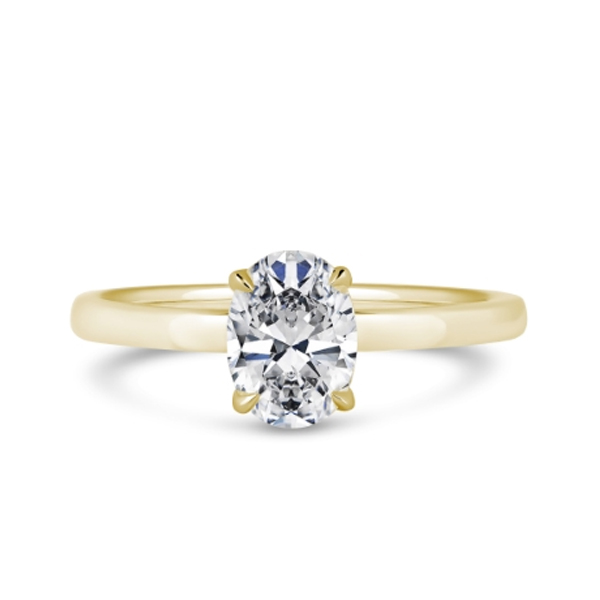
The Finished Presence
This finished Kinzy oval ring shows how precious metal, diamond setting and true scale bring warmth and refinement to the geometry first seen in a CAD.
Inside the Kinzy Bespoke Process
Step inside Kinzy’s bespoke process to see how a design develops from its digital foundation into a piece made and finished in Hatton Garden.
Frequently Asked Questions
Why does my CAD ring look bulky?
Screen enlargement and manufacturing allowances can exaggerate claws and metal. Ask for exact dimensions and a life-size or wax review.
Will the finished diamond sparkle like the render?
Real sparkle depends on the selected stone and lighting. A render cannot reproduce its exact light performance.
Can a jeweller change the design after CAD approval?
Necessary technical refinements may occur, but material design changes should be explained and approved under the order process.
What if the finished ring feels too high?
Compare the actual height with the approved specification. Major height changes can require structural work, which is why wax review matters.
Should I approve CAD based on colour?
No. Use CAD primarily for form and dimensions. Confirm metal colour with real samples whenever possible.
Final Thoughts on CAD Render vs Finished Ring
A CAD render vs finished ring comparison should reveal translation, not duplication. Geometry remains the anchor, while materials and craftsmanship give the finished piece its life.
Begin your own design through Kinzy bespoke engagement rings in London or book a private consultation.
×
BESPOKE DESIGN BRIEF
Begin with what you know so far.
A short, considered brief. Nothing needs to be certain yet.
This site is protected by reCAPTCHA and the Google Privacy Policy and Terms of Service apply.
PERSONAL BESPOKE GUIDANCE
Shape the next detail with your Kinzy jeweller.
A short design brief gives our Hatton Garden atelier a thoughtful starting point—whether you have a clear idea or are still comparing possibilities.
Related Reading
Articles
Other articles from Kinzy London.
Articles, Bespoke Jewellery, Engagement Rings, Gemstones
How to Add a Hidden Birthstone or Secret Diamond to an Engagement Ring
Articles, Diamond Guides, Engagement Rings, Settings
Does a Bezel Setting Make a Diamond Look Bigger or Smaller?
Articles, Craftsmanship, Engagement Rings, Settings