- Engagement Rings
- Wedding Bands
Shop by style
- Classic
- Diamond Cut
- Two Colour
- Diamond Set
- Shaped
- Vintage
- Gemstone Bands
Shop by metal
- Gemstones
- Fine Jewellery
Fine Jewellery
- About Us
- Education
16 August 2026
Visiting Hatton Garden for an Engagement Ring: A First-Time Buyer’s Guide
Visiting Hatton Garden for an engagement ring can be exciting and unexpectedly intense. Within a few streets, you may encounter dozens of windows, diamond specifications and very different sales approaches. A simple plan will help you enjoy the district without confusing activity with progress. The aim is not to visit every jeweller. It is to find a small number who explain their recommendations clearly, show suitable options and make you confident about what happens after the deposit.Why Hatton Garden Matters
Hatton Garden has served London’s jewellery trade for centuries. Historic England describes the area as London’s jewellery quarter for roughly 300 years, with specialist workshops and retail premises woven into its buildings. That concentration still gives buyers access to designers, diamond dealers, mounters, setters and polishers. You can read more about the district’s built heritage through Historic England’s Hatton Garden overview. History alone does not guarantee quality, but the local network remains a genuine advantage.Plan the Visit Before You Arrive
Choose two or three jewellers whose work and process deserve a proper conversation. Book appointments where possible, especially if you want to view loose diamonds or discuss a bespoke ring. Leave space between meetings so one sales discussion does not blur into the next. Kinzy London welcomes private consultations at 7 Greville Street. You can arrange a time through the Kinzy contact page and share whether the ring is a surprise.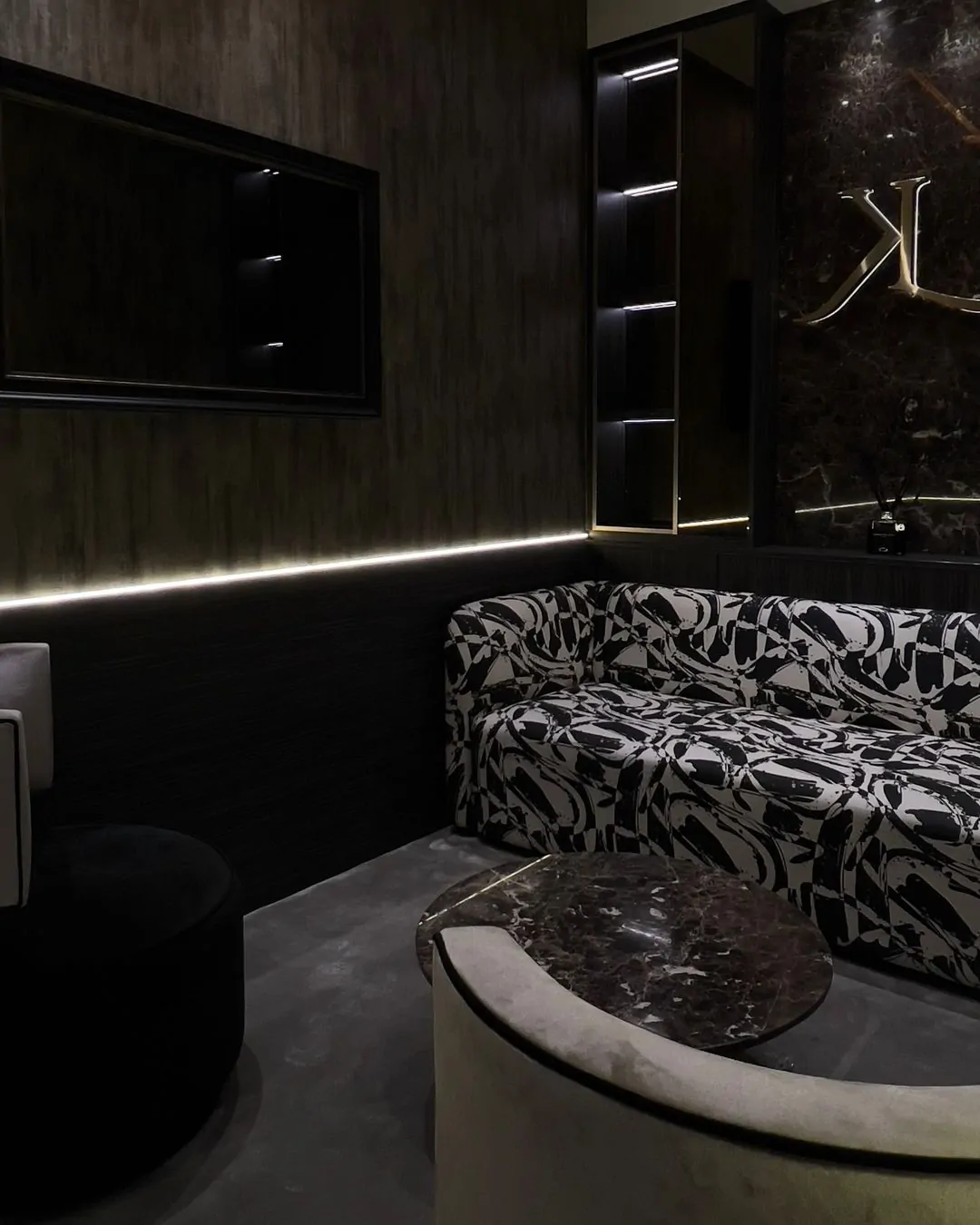
Set Three Things Before Visiting Hatton Garden
First, decide the maximum amount you can spend comfortably. Second, define the deadline, including any travel before the proposal. Third, list two or three priorities, such as a natural diamond, an elongated shape or a low setting. Do not set every certificate grade in advance. That can force you towards a technically narrow search before you have seen the visual differences. Our guide to engagement-ring budgets in the UK will help you separate affordability from old salary rules.Learn Just Enough Diamond Language
Understand the broad purpose of cut, colour, clarity and carat. Then add measurements, shape and certification. You do not need to become a gemmologist, but you should know why two diamonds with similar grades can look different. Use the Kinzy certification guide before your visit. It explains what GIA and IGI reports record and what still needs visual assessment.Window Shopping Is Research, Not Inspection
Windows show design language and approximate scale. They cannot reveal how a diamond behaves under neutral light or how the gallery sits beside a wedding band. Strong spotlights can make almost any clean diamond flash dramatically. When a design catches your attention, photograph or note the specific feature if the shop permits it. Is it the band width, diamond shape, metal colour or side profile? This makes later comparison more precise.How to Compare Loose Diamonds Properly
Ask to see a short curated selection rather than a tray of unrelated stones. Compare candidates in the same lighting and at the same distance. Look at face-up spread, outline, brightness and visible inclusions before returning to the report. GIA’s guidance on comparing loose diamonds recommends confirming the grading report and viewing the stone carefully. For ovals, pears and marquises, also inspect bow tie and shoulder shape. The Kinzy article on the bow-tie effect explains what is normal and what becomes distracting.Look Beyond the Top View of the Ring
Turn every ring sideways. The profile reveals setting height, claw construction, under-gallery detail and whether a wedding band may sit flush. Also feel the inside of the shank and check how the shoulders meet the centre. A front-facing design can be copied easily in a photograph. The engineering underneath often reveals the quality of thought. Use the engagement-ring settings guide to recognise common structures.Ask Who Actually Makes the Jewellery
Hatton Garden contains retailers, designers, manufacturers and businesses that combine several roles. None of those models is automatically wrong. However, you should know who controls the CAD, mounting, setting, polishing and quality checks. Kinzy works through an in-house atelier relationship in Hatton Garden. This connects showroom decisions to the craftspeople responsible for the finished ring.Compare Process, Not Only Price
One quotation may include a certified centre stone, CAD, wax model, engraving, hallmarking and aftercare. Another may show only the ring and diamond. The lower total is not necessarily cheaper once the specifications are aligned. Ask for the metal and fineness, diamond report number, design description, approval stages, lead time, warranty and servicing. Our article on engagement-ring mistakes explains why vague quotations can lead to disappointment.Recognise Pressure Tactics
A particular diamond may genuinely be available to other buyers. Still, the jeweller should explain the reservation terms without turning uncertainty into panic. Be cautious if every option is described as perfect or if questions about measurements receive only praise. You should also understand the deposit, cancellation position and point of final design approval. Never rely on a verbal promise for a detail that matters.What a Productive First Visit Looks Like
You may leave without buying anything. That can still be a successful visit if you have narrowed the shape, setting, metal and budget. Take notes immediately because several similar diamonds become difficult to distinguish later. If one jeweller earns your trust, arrange a second focused meeting. A considered bespoke consultation can then develop the selected direction rather than repeating the first exploration.Practical Questions to Ask in Every Showroom
- May I see the diamond’s grading report and measurements?
- Why is this stone being recommended over the alternatives?
- Will the setting be made around this exact diamond?
- Which metal, fineness, width and depth are quoted?
- Will I approve CAD and a wax model?
- Can the ring sit beside a straight wedding band?
- Who carries out the mounting, setting and polishing?
- What are the payment stages and estimated completion date?
- What do the warranty and annual service cover?
Allow Space Between Appointments
Back-to-back showroom visits can make diamonds and quotations blur together. Leave enough time to record the report number, visible impression, design specification and total price after each meeting. Two focused appointments usually teach you more than a rushed circuit of the entire district. Photograph or note only what the jeweller permits. Then compare written facts later, away from showroom lighting and sales conversation.Bring the Information That Makes Advice Specific
A realistic budget, target date, approximate ring size and a few style references help the jeweller prepare. If the proposal is a surprise, bring a photograph of jewellery the recipient actually wears rather than a large folder of unrelated rings. Carry identification and a payment method, but do not assume you must place a deposit. First establish the exact diamond, design, process, terms and person responsible for the commission.What to Expect When Visiting Kinzy
A first visit can lead naturally into loose-stone selection, CAD review and wax modelling. Plan the appointment around comparison and questions; a bespoke ring then moves through a series of informed decisions rather than being completed in a single showroom visit. Kinzy clients describe a calm showroom, attentive guidance, time and options without pressure. These are individual experiences, so check current opening hours, access needs and appointment availability before travelling. Verify practical details on the showroom page, read about the Greville Street flagship and contact Kinzy before travelling. For wider context, the Hatton Garden jeweller guide explains what specialist access should add to the buying experience.Featured Kinzy Pieces and Services
Previewing a real Kinzy setting helps first-time visitors arrive with more specific questions for the showroom team.Related Reading and Services
- Engagement rings.
- Round engagement rings.
- Kinzy gemstone stock.
- The Kinzy experience.
- Your Kinzy sales associate.
- Book a private consultation.
- High-Set Traditional Round Engagement Ring in Platinum.
See a Kinzy Solitaire Before Your Visit
This platinum solitaire is a useful reference for discussing setting height, claw style and proportion during a Hatton Garden appointment.Frequently Asked Questions
Do I need an appointment in Hatton Garden?
You can browse without one, but an appointment helps a jeweller prepare relevant diamonds and gives you time for a private discussion.Should I buy on my first visit?
Only if the stone, design, terms and process are clear. There is no prize for reaching a decision before you understand it.Are all Hatton Garden jewellers manufacturers?
No. Businesses use different models. Ask where each stage happens and who remains responsible for quality.Can I compare prices between shops?
Yes, but align the diamond, metal, construction and included services. Headline totals alone can hide important differences.Where is Kinzy London in Hatton Garden?
Kinzy London is at 7 Greville Street, London EC1N 8PQ, within the Hatton Garden jewellery district.Final Thoughts Before Visiting Hatton Garden
Visiting Hatton Garden works best when you arrive with a budget, deadline and willingness to compare explanations. Expertise should become visible in the questions a jeweller asks and the reasons behind each recommendation. Explore why clients choose a Hatton Garden jeweller, then book a private Kinzy appointment for a focused diamond and design consultation.Related Reading
Articles
Other articles from Kinzy London.
Articles, Bespoke Jewellery, Engagement Rings, Gemstones
How to Add a Hidden Birthstone or Secret Diamond to an Engagement Ring
Articles, Diamond Guides, Engagement Rings, Settings
Does a Bezel Setting Make a Diamond Look Bigger or Smaller?
Articles, Craftsmanship, Engagement Rings, Settings