- Engagement Rings
- Wedding Bands
Shop by style
- Classic
- Diamond Cut
- Two Colour
- Diamond Set
- Shaped
- Vintage
- Gemstone Bands
Shop by metal
- Gemstones
- Fine Jewellery
Fine Jewellery
- About Us
- Education
10 August 2026
Diamond Polish and Symmetry Explained: Do These Grades Matter?
Diamond polish and symmetry are finish grades recorded on many laboratory reports. Polish describes the quality of the facet surfaces after cutting. Symmetry describes the precision of facet shape, placement and alignment.
Both matter, but neither should be read alone. Excellent grades can support a strong diamond; they cannot rescue weak proportions, poor transparency or an unattractive outline. Very Good finish grades may offer no visible compromise in some stones. The individual diamond remains the final test.
Diamond Polish and Symmetry: The Short Answer
- Polish concerns surface finish and marks left by the cutting process.
- Symmetry concerns how consistently the facets meet and align.
- Finish grades are separate from clarity, which describes internal and external characteristics.
- For round brilliants, finish contributes to the wider cut assessment.
- For fancy shapes, attractive outline and light pattern still require visual judgement.
Read the diamond certification guide first if you are unfamiliar with the report layout.
What Diamond Polish Measures
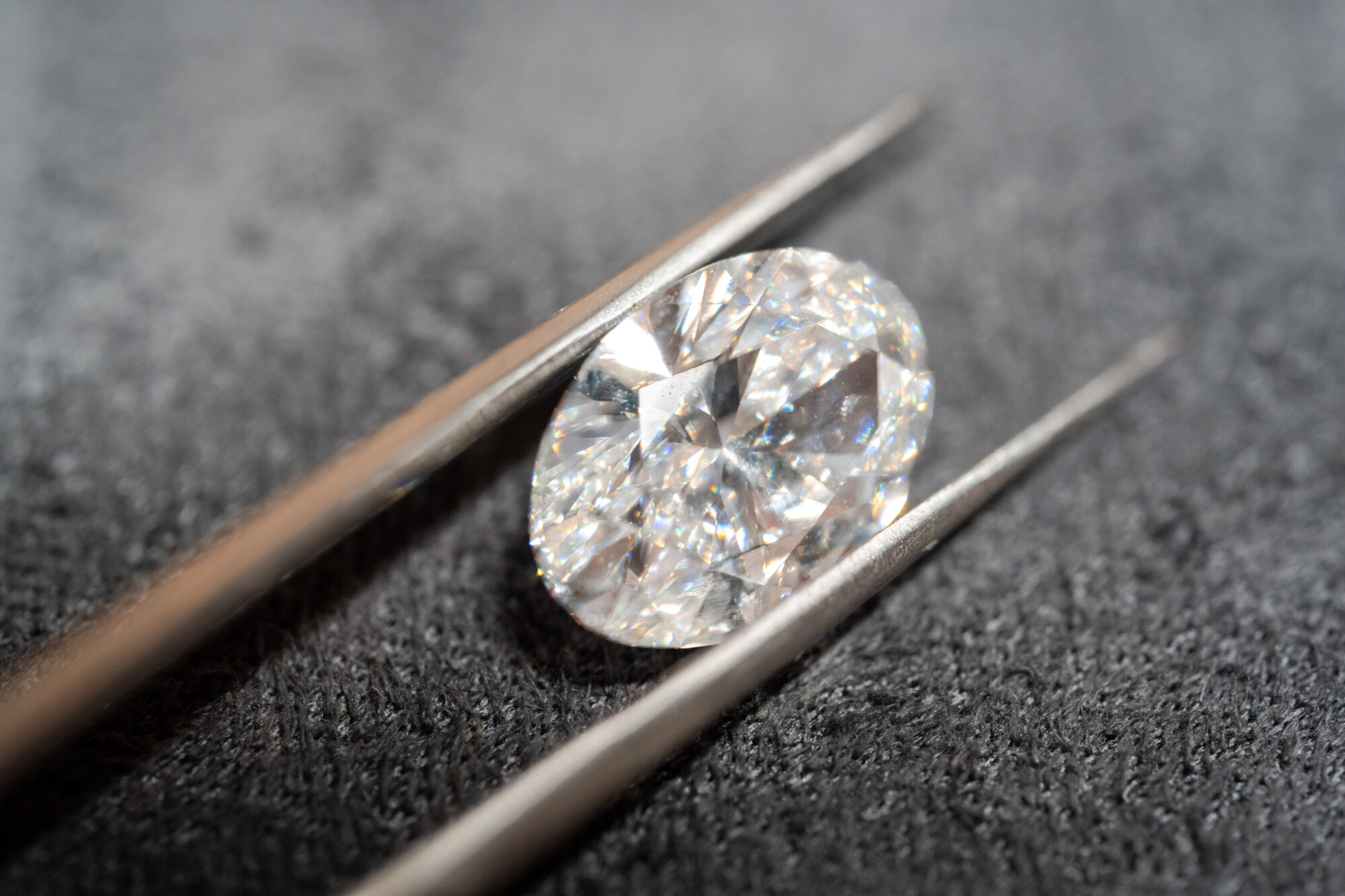
After a facet is placed, its surface should appear smooth. Polish features can include fine lines, abrasions, pits or burn marks created during cutting. Laboratories assess how visible and extensive those features are under controlled magnification.
Grades commonly range from Excellent to Poor. Minor polish features in a Very Good diamond may be difficult to detect without magnification. More significant features can reduce the crispness of a facet or become visible on close inspection.
Polish is not the same as cleaning. Surface residue can make an excellent-polish diamond look dull, while cleaning cannot remove a feature that is part of the finished facet.
What Diamond Symmetry Measures
Symmetry considers whether corresponding facets have consistent size and shape, whether points meet cleanly and whether the table, culet and girdle relate correctly. Examples of symmetry features include an off-centre table, misaligned facets or an uneven girdle.
Severe symmetry problems can disturb the light pattern or make the outline look unbalanced. Minor deviations may have little visible effect. The grade summarises the finish characteristic; it does not describe whether you personally find the diamond’s pattern attractive.
How Finish Differs from Cut Grade
For a standard round brilliant, a GIA report may provide an overall cut grade as well as separate polish and symmetry grades. Cut grade considers several factors, including proportions and observed appearance. Polish and symmetry are components, not substitutes.
Most fancy shapes do not receive a single overall GIA cut grade. Therefore, a fancy shape with Excellent polish and symmetry can still have an uneven outline, heavy bow tie or weak spread. Compare the bow-tie guide and diamond-ratio guide when assessing elongated stones.
Does Excellent Polish Make a Diamond Sparkle More?
A well-polished surface allows light to travel without disruption from significant finish marks. However, sparkle is controlled by the whole facet arrangement, proportions, contrast pattern and cleanliness. Excellent polish does not guarantee excellent light performance.
When comparing Excellent and Very Good polish, the visible difference may be negligible. Look at the location and type of any listed feature, the full report and the actual diamond. Do not pay a premium for a word without checking whether it changes beauty.
Does Excellent Symmetry Guarantee a Beautiful Shape?
No. Laboratory symmetry and aesthetic outline overlap, but they are not identical. An oval can receive a strong symmetry grade while still appearing too broad, too narrow or uneven to your eye. A cushion may be technically aligned yet have corners or a facet pattern that do not suit the brief.
Kinzy’s public carat-weight comparison notes that oval, radiant and elongated cushion diamonds of the same weight can look different because shape, proportions and measurements influence perception. That is direct evidence for looking beyond headline grades.
Explore oval versus cushion and radiant versus emerald to compare distinct visual priorities.
When a Lower Finish Grade Deserves Caution
Good, Fair or Poor grades require a closer explanation. Ask which features caused the grade, where they sit and whether they are visible without magnification. Significant surface or alignment issues may affect appearance, durability at a very thin area or future resale confidence.
Do not assume that a discount makes the stone good value. The price should reflect the complete visual and technical result. Conversely, do not reject a Very Good grade automatically when the diamond is lively and the feature is insignificant to the naked eye.
How Polish and Symmetry Interact with Clarity
Clarity includes internal inclusions and surface-reaching characteristics formed during growth or wear. Polish features arise from finishing. The categories may appear near each other on a report, but they answer different questions.
An eye-clean diamond may have a lower clarity grade yet excellent finish. A high-clarity stone may still have an outline or light pattern that is not attractive. Read how to choose a natural diamond for the complete hierarchy.
Natural and Lab-Grown Diamonds
Both natural and laboratory-grown diamonds are cut and polished. Finish grades should be interpreted in the same disciplined way: as evidence about workmanship, not a statement about origin or long-term market behaviour.
Our lab-grown versus natural diamonds guide separates origin from appearance and helps you compare the priorities clearly.
How Finish Grades Affect the Setting Decision
Polish and symmetry grades do not tell a jeweller which setting will protect the diamond. That decision begins with the stone’s actual outline, girdle thickness, vulnerable points and millimetre dimensions. A precisely finished pear or marquise still needs considered tip protection, while an oval with Excellent symmetry still needs a head that follows its individual curve.
The mounting should never be used to disguise an unsuitable outline or serious visual imbalance. Instead, the selected diamond and setting should be developed as one composition. Reviewing the loose stone first allows claw placement, gallery support and band proportion to respond to what is genuinely present rather than to a generic carat-weight template. Kinzy’s guide to engagement-ring settings explains how those structural decisions change security, profile and appearance.
How Kinzy Uses the Finish Grades
Kinzy’s public bespoke-process material confirms that clients participate in diamond selection before the setting is finalised. The team can use polish and symmetry to screen stones, then compare outline, measurements, transparency and light in person.
A practical sequence is:
- Verify the report and identifying details.
- Read the finish grades and plotted comments.
- Inspect the diamond under magnification.
- View it face-up in neutral and natural light.
- Compare outline and light pattern with relevant alternatives.
- Judge whether the price reflects the complete stone.
The Kinzy design process then builds the setting around the selected diamond’s actual dimensions.
Evidence from Client Experience
Technical finish grades require laboratory and visual evidence. Client reviews address a different question: whether the comparison was explained clearly. In Kinzy’s client testimonials on Kinzy’s website, Suada describes help with choosing the diamond, while Johannes refers to professional insights throughout the process.
Those accounts support guided selection. They do not turn a client opinion into a grading standard. This separation keeps the advice useful and credible.
Questions to Ask When Comparing Diamonds
- Which features caused the polish or symmetry grade?
- Can any feature be seen without magnification?
- Does the stone have an attractive, even outline?
- How does its face-up size compare at the same carat weight?
- Is a bow tie or uneven contrast more important than the finish difference?
- Does the price reward a visible benefit or only a report label?
For a stone-by-stone comparison, explore Kinzy diamonds or arrange a consultation.
Featured Kinzy Pieces and Services
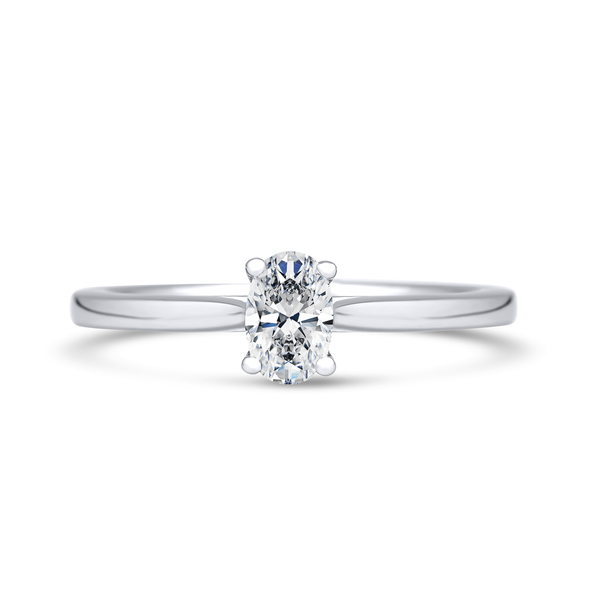
This Kinzy oval setting provides a practical finished-jewellery reference for polish, symmetry and overall visual balance.
Related Reading and Services
- Kinzy diamond guidance.
- Oval engagement rings.
- Engagement rings.
- Bespoke jewellery service.
- Kinzy design process.
- Book a private consultation.
- Oval Cathedral Solitaire Ring in Platinum.
Official Kinzy Instagram Reference
This official post provides a Kinzy-owned reference for diamond polish and symmetry explained with a kinzy oval cathedral ring.
Frequently Asked Questions
Is Excellent polish necessary?
Not always. Some Very Good diamonds show no meaningful visible compromise. Examine the individual feature and the complete stone.
Is Excellent symmetry the same as a perfect cut?
No. Symmetry is one finish grade. Proportions, facet arrangement, outline and observed light performance also matter.
Should polish and symmetry grades match?
They do not have to match. Review each grade, the reason behind it and whether either characteristic affects appearance.
Do fancy-shape diamonds receive a cut grade?
GIA does not issue an overall cut grade for most fancy shapes. This makes measurements and visual comparison especially important.
Can setting damage a diamond’s polish?
Ordinary setting should not alter the facet polish when performed correctly. Diamonds can still chip or abrade at vulnerable areas if they receive a hard impact.
Final Thoughts on Diamond Polish and Symmetry
Diamond polish and symmetry matter because they describe the cutter’s finish. They should inform the decision without controlling it. Excellent grades are reassuring; they are not a guarantee of beauty.
Use the report to ask better questions, then compare the loose stones. Kinzy’s bespoke engagement-ring service connects that selection to a setting designed for the exact diamond.
Related Reading
Articles
Other articles from Kinzy London.
Articles, Bespoke Jewellery, Engagement Rings, Gemstones
How to Add a Hidden Birthstone or Secret Diamond to an Engagement Ring
Articles, Diamond Guides, Engagement Rings, Settings
Does a Bezel Setting Make a Diamond Look Bigger or Smaller?
Articles, Craftsmanship, Engagement Rings, Settings