- Engagement Rings
- Wedding Bands
Shop by style
- Classic
- Diamond Cut
- Two Colour
- Diamond Set
- Shaped
- Vintage
- Gemstone Bands
Shop by metal
- Gemstones
- Ready To WearFine jewelleryMade to be worn.
Made to last.Diamond jewellery for every day and every occasion.Shop all jewellery →Fine jewellery
Diamond earringsPendantsBraceletsRingsShop allShop by occasion
Gifts under £1,000AnniversaryBirthdayBridal jewelleryAvailable sooner
Ready to dispatchNew arrivalsBestsellersBook an appointmentFine Jewellery
- About UsMade in LondonCrafted by people you can meet.Discover the people, workshop and personal service behind every Kinzy London piece.Meet KinzyRead our story →
About Kinzy
About KinzyOur storyClient storiesMeet your sales associateCraft & care
Our workshopDesign processLifetime Atelier CareOur guaranteesMade in our London workshopCertified diamondsLifetime carePersonal guidance - Education
Learn with Kinzy Diamond guideUnderstand the details that matter→Fit & setting guideChoose comfort and proportion→Behind the craftHow your jewellery is made→Expert guidance, clearly explained.
Practical diamond, gemstone and ring guidance to help you make a confident decision.
Explore all guides →
 Round
Round Oval
Oval Heart
Heart Marquise
 Cushion
 Pear
Pear Emerald
 Asscher
 Radiant
15 June 2026
Platinum vs Gold Engagement Rings: Which Metal Should You Choose?
The Kinzy Expert Guide
The Kinzy Precious Metals Guide
Platinum, yellow gold or white gold: compare colour, character, care and everyday wear before choosing the metal for your engagement ring.
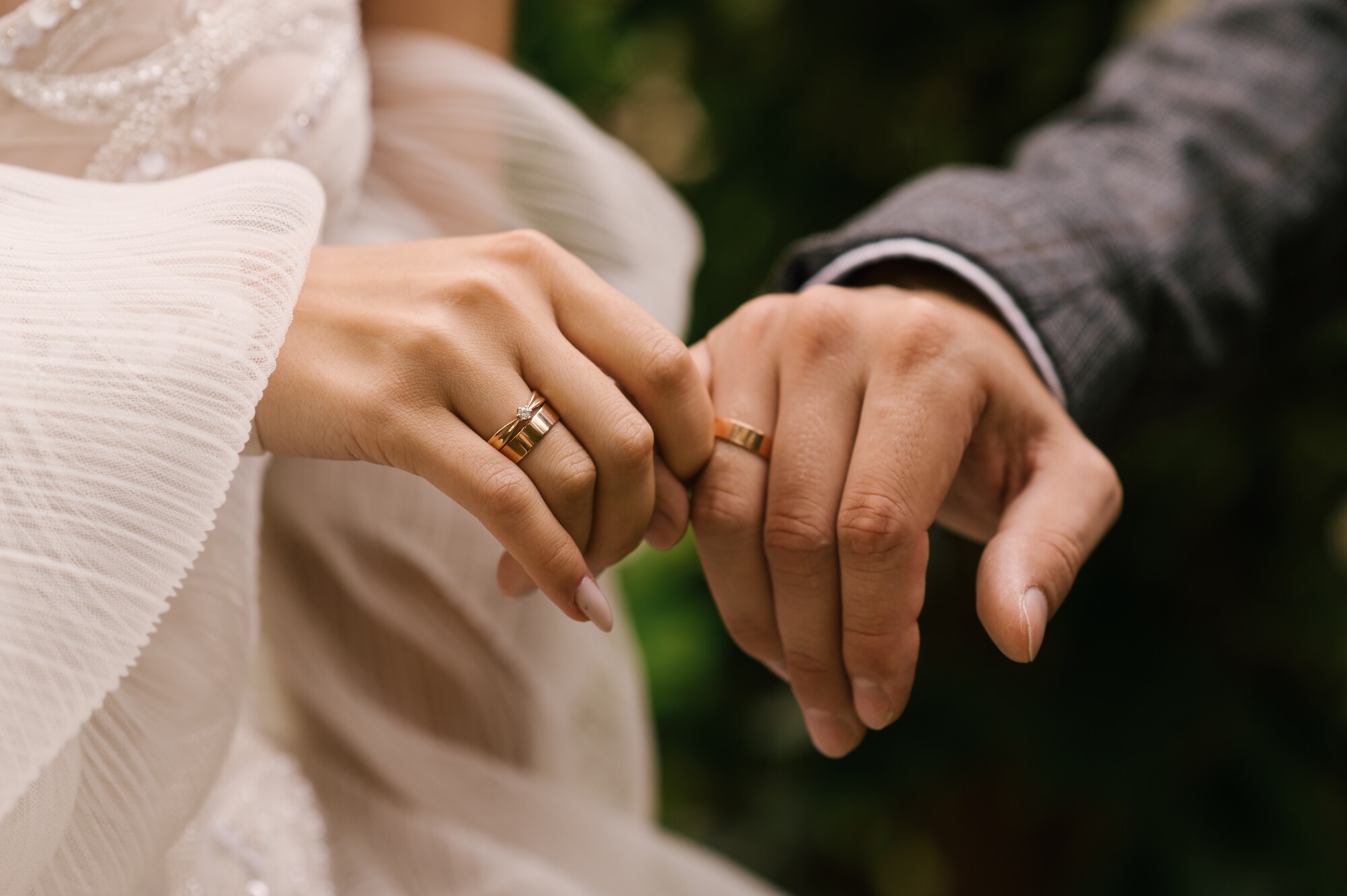
PlatinumNaturally white with a substantial feel
18k yellow goldWarm, rich and timeless
18k white goldBright with a refined finish
The quick answer
Choose platinum for a naturally white metal and a cool, substantial finish; 18k yellow gold for warmth and enduring colour; or 18k white gold for a bright white-gold look, with the expectation that its rhodium finish may need renewing over time.
Platinum vs Gold at a Glance
The right precious metal affects the ring’s colour, feel, maintenance and the way its diamond appears. None is universally better: the best choice is the one that suits the design and the way the ring will be worn.
| Metal | Colour and feel | Wear over time | Often chosen for |
|---|---|---|---|
| Platinum | Naturally white, cool and substantial | Develops a soft patina; no plating required | Classic diamond settings and daily wear |
| 18k yellow gold | Warm, rich and traditional | Colour remains consistent; can be polished when appropriate | Warm-toned, vintage-inspired or mixed-metal designs |
| 18k white gold | Bright white appearance with a lighter gold feel | Usually rhodium plated and may need replating | A white-metal look in gold |
Compare metals beside the actual diamond. Diamonds reflect their surroundings, including the colour of the band and claws. Viewing combinations together gives a more reliable impression than choosing each in isolation.
What Is a Platinum Engagement Ring?
Platinum is a naturally white precious metal with a cool tone and a dense, reassuring feel. Its colour does not rely on plating, which makes it a natural choice for clients who want a consistently white setting.
It works particularly well for solitaires, trilogy rings and hidden-halo designs intended for daily wear. With time, platinum develops a soft surface patina. Some wearers value that gently lived-in finish; others choose an occasional professional polish.
What Is an 18k Gold Engagement Ring?
Pure gold is alloyed with other metals to give fine jewellery the strength and colour needed for wear. Kinzy works with 18k yellow gold and 18k white gold for bespoke engagement rings.
Yellow gold
Warm and rich, with a colour that suits both clean modern settings and more romantic, vintage-influenced details.
White gold
Chosen for a bright white appearance in gold. It is commonly rhodium plated and may need replating as the finish wears.
Mixed metal
A white setting with a yellow-gold band can keep the diamond surround visually bright while bringing warmth to the hand.
Which Precious Metal Looks Best?
Appearance is personal. Platinum creates a clean, cool frame and often complements colourless and near-colourless diamonds. Yellow gold adds warmth and can make the same diamond feel softer or more romantic. White gold offers a bright white-metal look while retaining the character of gold.
Skin tone can be a useful prompt, but it need not become a rule. Look first at the jewellery the wearer already reaches for. A metal that belongs naturally beside those pieces is more likely to feel right every day.
Which Metal Is More Durable?
Platinum and 18k gold are both suitable for engagement rings when the design is well engineered and the piece is properly cared for. They respond differently to wear rather than fitting into a simple strong-versus-weak ranking.
Platinum is dense and tends to move rather than lose metal when marked, which contributes to its characteristic patina. Gold is durable enough for daily jewellery but can develop surface marks and may be polished when appropriate. White gold also has a plated surface finish to maintain.
Craftsmanship, setting design and regular inspections matter as much as the name of the metal. Delicate claws, a high setting or a ring exposed to frequent impact will need attention regardless of the alloy.
The metal should support the diamond, the design and the person wearing the ring. It should never compete with them.
Which Metal Suits Your Diamond?
A white metal can give a colourless diamond a crisp frame. Yellow gold can bring warmth to the overall design or create a deliberate contrast when the claws remain white. The stone’s shape matters too.
- An oval diamond can feel clean and contemporary in platinum or softer and more romantic in yellow gold.
- An emerald-cut diamond pairs naturally with the architectural clarity of platinum, while yellow gold can give it an old-world richness.
- A round brilliant is highly adaptable and works across all three options.
- Warmer diamond tones can be embraced by yellow gold, while white claws can create separation between a yellow band and the stone.
Use the Kinzy Diamond Guide to understand how cut, colour, clarity and shape work together before settling on the final combination.
Which Metal Is Best for a Hidden Halo?
Platinum gives a hidden halo a clean, restrained finish that keeps attention on the centre stone. Yellow gold makes the detail warmer and more distinctive, especially around an oval or cushion outline. White gold can achieve a bright white appearance but brings the maintenance considerations of rhodium plating.
The ideal choice depends on whether the hidden halo should quietly disappear beneath the diamond or become part of the side-profile design. Read the full hidden halo guide for setting-specific advice.
Which Metal Is Easiest to Maintain?
- Platinum: naturally white, so it does not need replating. It can be professionally polished if you prefer a brighter finish to its natural patina.
- Yellow gold: keeps its warm colour and can be cleaned and polished professionally when needed.
- White gold: usually carries a rhodium finish that gradually wears, particularly on a ring worn every day, so periodic replating may be appropriate.
Whichever metal you choose, avoid harsh chemicals and heavy impact, and arrange professional checks if the ring has been knocked, catches on fabric or a stone feels loose. The Jewellery Care Guide explains a safe routine.
Should Your Wedding Band Match?
Matching metals create a calm, unified bridal set and usually make long-term maintenance more straightforward. Mixed metals can work beautifully too. For example, a platinum engagement ring can sit beside a yellow-gold band, provided the colours, profiles and contact points are considered together.
Think about the wedding band before the engagement-ring design is final. The height and shape of the setting determine whether a straight band will sit flush or a shaped band will be needed. Explore Kinzy’s wedding-band service to plan the two pieces as a pair.
Which Metal Should You Choose?
- Choose platinum for a naturally white metal, a substantial feel and a classic diamond-led look.
- Choose 18k yellow gold for warmth, richness and a colour that remains part of the alloy rather than a surface finish.
- Choose 18k white gold for a bright white appearance in gold, with periodic replating kept in mind.
The most useful test is to compare the diamond against each metal and consider the wearer’s existing jewellery, lifestyle and preferred level of maintenance.
Compare in person
Find the Right Metal for Your Ring
Visit Kinzy’s Hatton Garden showroom to see your preferred diamond against platinum, yellow gold and white gold before the design is finalised.
Articles
Other articles from Kinzy London.
Articles, Bespoke Jewellery, Engagement Rings, Gemstones
How to Add a Hidden Birthstone or Secret Diamond to an Engagement Ring
Articles, Diamond Guides, Engagement Rings, Settings
Does a Bezel Setting Make a Diamond Look Bigger or Smaller?
Articles, Craftsmanship, Engagement Rings, Settings